How to Bet on League of Legends
League of Legends carries the deepest esports markets in Vietnam. Here are the markets, how they settle, and what actually moves the price.
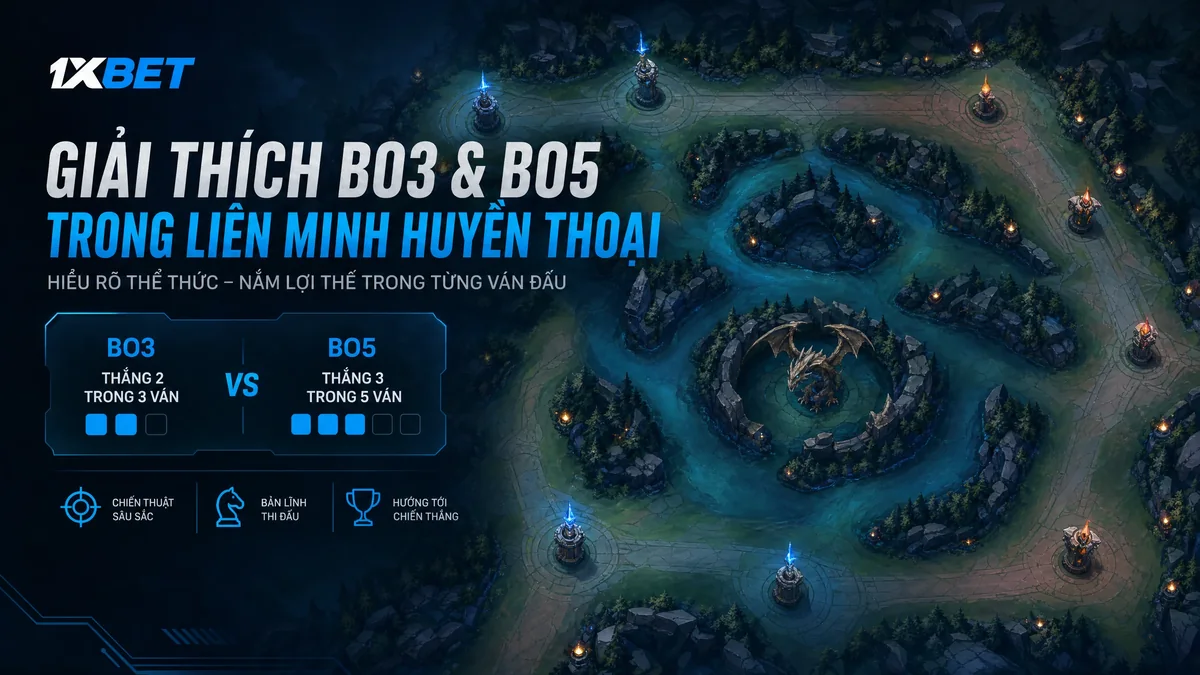
League of Legends runs a year-round tournament ecosystem — domestic leagues, regional events and international finals — which is why bookmakers price it deepest. More markets also means more ways to bet badly.
- Group stage
- Usually Bo1 or Bo3
- Playoffs
- Bo5
- Main markets
- Match winner, map handicap, map totals
- Side markets
- First tower, first dragon, total kills, game duration
- Currency
- VND
Tournament formats
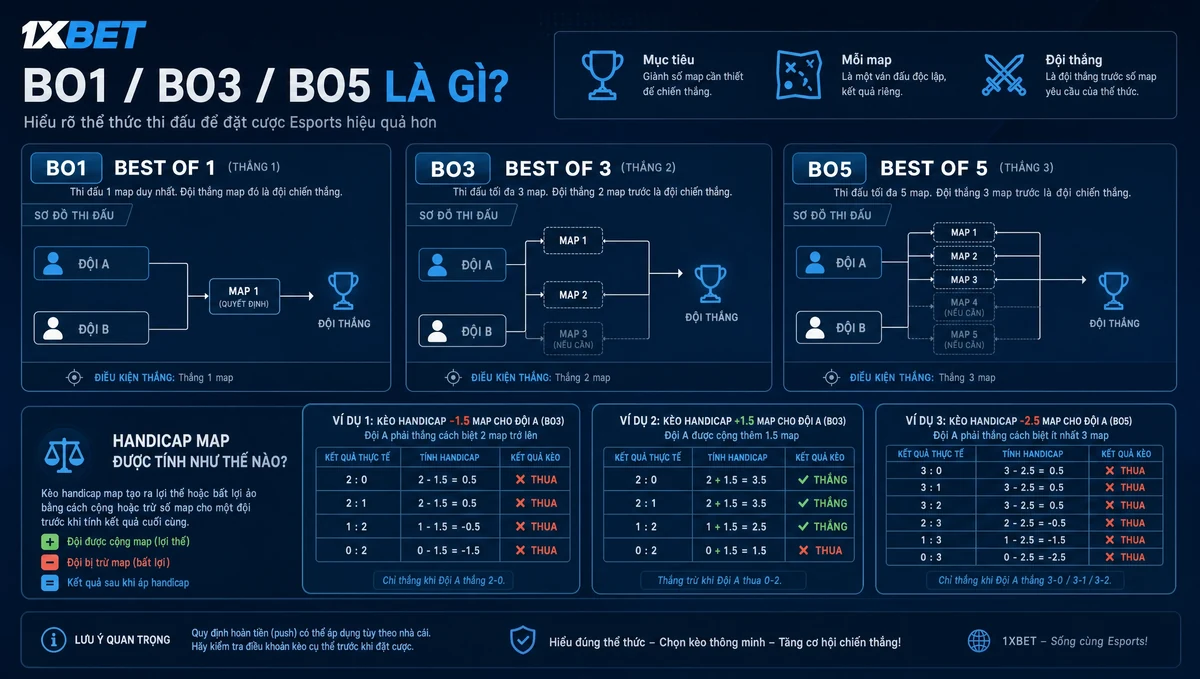
Format decides the value of every market. Bo1 is high variance: one bad teamfight at minute 25 ends it, with no second game to correct. Bo3 and Bo5 give the stronger team room to show it, so favourites are more reliable in longer formats.
If you remember one thing: the same two teams should be viewed differently at Bo1 and at Bo5.
The markets
Match winner. Two outcomes, and the tightest margin on the board.
Map handicap. In a Bo3, -1.5 requires a 2-0. In a Bo5, a two-map margin. This is the market for when you believe in the gap, not just the result.
Map totals. Whether a Bo3 ends 2-0 or 2-1 — a market about the size of the gap, which often reflects reality better than the winner market.
In-game markets
- First tower. Tied to early-game style and lane priority.
- First dragon. Depends on jungle pathing and objective control.
- Total kills. A tempo market; two fight-happy teams push the line up.
- Game duration. Fast-closing teams shorten it, late-game compositions extend it.
What moves the price
Patches. An update to champion or objective strength can neutralise a team's signature style, and prices lag reality for the first few days after a patch.
Roster changes. One substitution matters more than in football, because jungle-mid coordination takes time to rebuild.
Scheduling. A team finishing a long series late and playing early the next day is a real factor, and rarely priced.
The Bo1 trap
Bo1 prices look attractive because strong teams stay affordable. The reason is variance — the book knows Bo1 is closer to a coin flip than viewers assume. Backing favourites heavily in Bo1 is the most common way to lose money across a split: you were right about the better team and wrong about the format.
Staking across a split
A split runs for weeks with several matches per play day. That density is the risk: it is easy to bet daily without noticing the total.
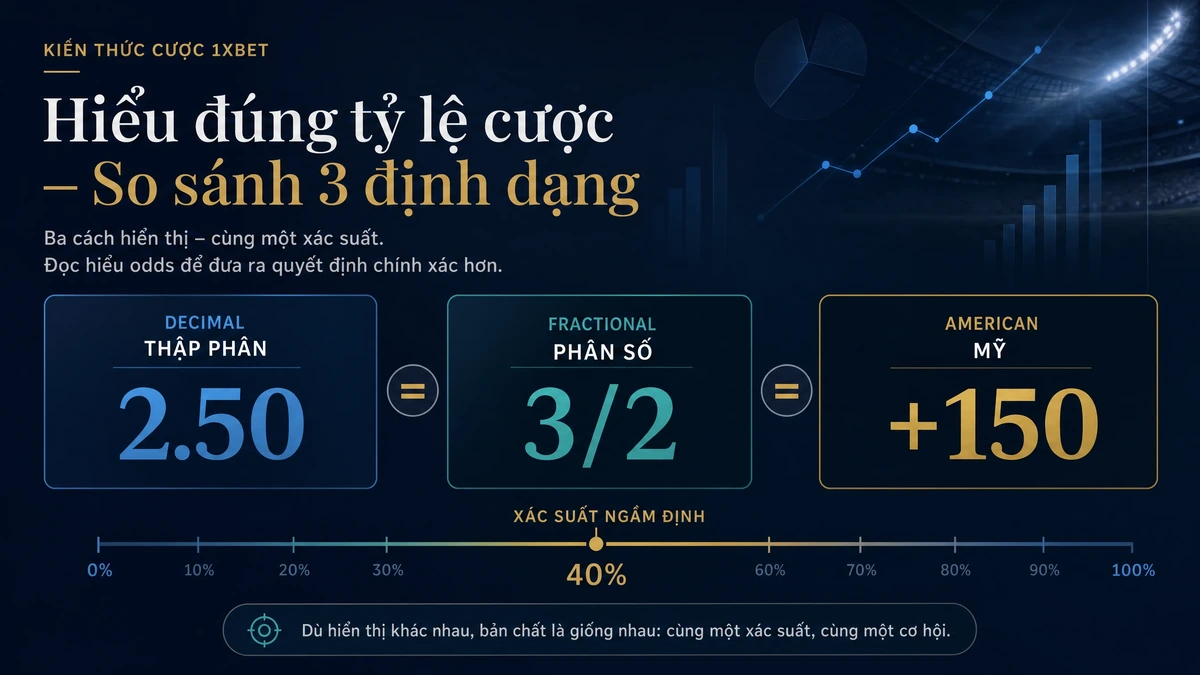
Set a split budget, divide it by the number of matches you actually intend to bet, and hold that as your unit. Skipping matches is a legitimate strategy — most bettors lose because they have a position on every game. Conversions are in the odds guide.
LoL markets cover domestic and international events in VND.
See LoL marketsFrequently asked questions
Which LoL market suits beginners?
Match winner in a Bo3 or Bo5. Longer formats reduce variance and this market carries the tightest margin.
What does -1.5 maps mean?
In a Bo3, the selected team must win 2-0. A 2-1 win loses the bet.
How do patches affect the odds?
A patch can neutralise a team's signature style, and prices usually lag reality in the first days after it lands.
Why not back favourites heavily in Bo1?
Bo1 is high variance and closer to a coin flip than viewers assume. Strong teams lose single games regularly.
Are in-game markets like first tower worth betting?
They reward close viewers, but side markets usually carry a wider margin than the main ones.
Read next

Esports Betting for Beginners
Getting started with esports betting: picking events, odds and bankroll.

LoL Summer Split: Odds & How to Bet
Top teams, title odds and the markets worth watching this summer.
How to Read Football Odds A–Z
Read every market: 1X2, over/under and Asian handicap — A to Z.